
Worcester Warriors
Rugby Union Could face "extinction"
By JP
February 18 2021
 |
||
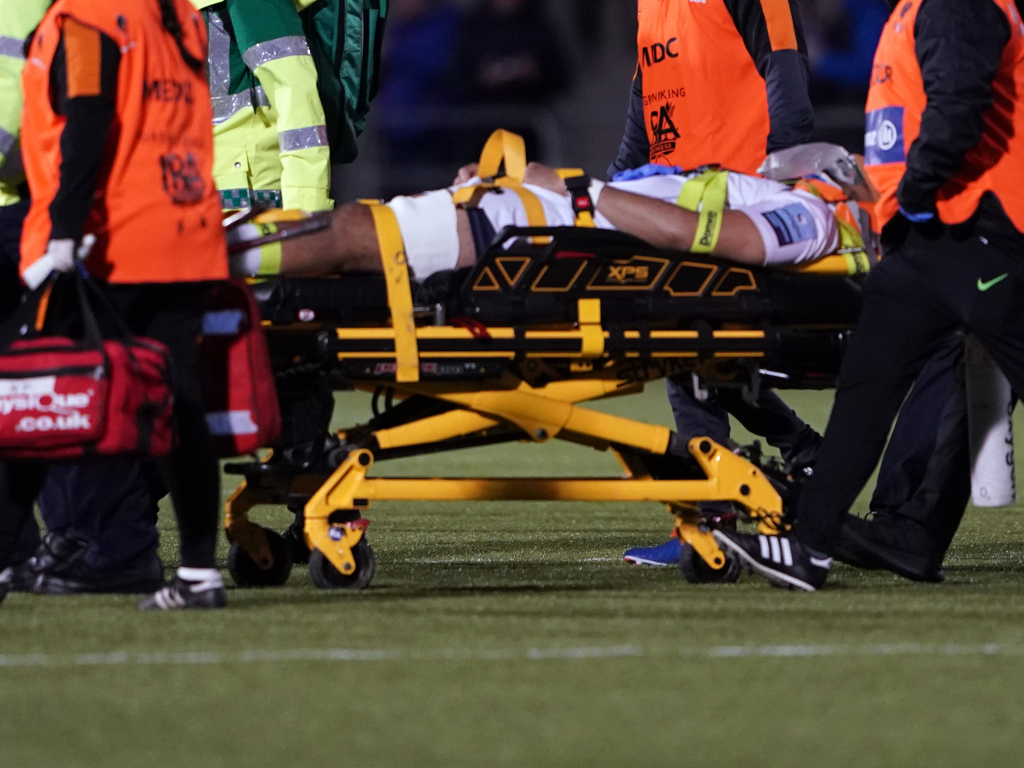
Sir Bill Beaumont has been warned that rugby union faces “extinction within a couple of generations” if urgent action is not taken to tackle brain injuries in the sport. An open letter, sent today to the chairman of World Rugby by a powerful lobby of voices drawn from right across the game, claims that rugby, in its present form, “is broken”. Progressive Rugby says more “must” be done to protect the health and wellbeing of players from excessive workloads, brain trauma and the “potentially serious and life-threatening consequences that come from repeated concussive and sub-concussive injuries”. Among its demands are that contact in training is limited and substitutions in games are allowed only for injury. The group has been formed by ex-players James Haskell and Jamie Cudmore in alliance with Professors John Fairclough and Bill Ribbans. |
||
 |
||
Signatories to the letter include World Cup winner Steve Thompson, recently diagnosed with early onset dementia, and one of nine retired players to have launched legal proceedings against World Rugby. Former England stars Kyran Bracken and Tim Stimpson, ex-England women’s captain Catherine Spencer and past and present Wales duo Jonathan Davies and Josh Navidi have also have lent their support. The proposed plan of action includes recommendations for a concussion database and a concussion fund, health passports, health MOTs and the involvement of independent brain experts alongside sports scientists. “We all love the game of rugby, and want to see it continue in the long-term,” said Dr Barry O’Driscoll, World Rugby’s former medical adviser. “However, the game as it is, is broken, with many more players likely to end up with neurological impairments in the future.” |
||
 |
||
|
The lobbyists wish to see themselves as “team mates not opponents” of the governing body. But their letter is a direct response to Beaumont’s claim that World Rugby is doing everything it can on the issue of brain trauma. Progressive Rugby argues that the authorities have a “moral and legal duty to minimise risk and to inform players and parents of the risk of brain damage from repeated knocks”. They say they believe "this issue is the greatest threat to the worldwide game” and want rugby to follow the example of the NFL which has “metamorphosed from a sport in denial to a proactive organisation”. |
||
 |
||
|
“There is an opportunity for rugby to turn the page and follow the example of our American cousins,” reads the letter. “The current and future generations of players require urgent action to be assured that they will be adequately protected and cared for.” Progressive Rugby ask that World Rugby meet with them to discuss “how we can work together to get control of this issue that threatens the very future of our game”. |
||
The epidemiology of head injuries in English professional rugby union |
||
|
Objectives: To undertake a detailed epidemiological study of head injuries sustained by professional rugby union players in order to define their incidence, nature, severity, and causes. Design: A 3-season prospective cohort design. Setting: 13 English Premiership rugby union clubs. Participants: 757 male rugby union players. Main outcome measures: Anatomical location, diagnosis, severity (number of days unavailable for training and match play), injury incident, and incidence of match and training injuries (injuries/1000 player-hours). Risk factors: Playing position, use of headgear, and activity. Results: The overall incidence of match head injury was 6.6 injuries/1000 player-hours, and each injury resulted, on average, in 14 days lost-time. The overall incidence of match concussions was 4.1 injuries/1000 player-hours resulting, on average, in 13 days lost-time. Concussion was the third most common match injury for all players. A large proportion of the players (48%) were able to return to play safely within 7 days. Match concussions were most commonly associated with tackling head-on (28%), collisions (20%), and being tackled head-on (19%). The midfield backs were the playing position at the greatest risk of sustaining a concussion. Only 42% of players were removed from the field of play immediately after a concussion. Foul play was reported by the player to be associated with match head injury in 17% of cases. Mouthguard and headgear usage was associated with a reduced incidence of concussive injury. The overall incidence of training head injury was 0.05 injuries/1000 player-hours, and the overall incidence of training concussions was 0.02 injuries/1000 player-hours. Conclusions: The results showed that rugby union players were exposed to a high risk of noncatastrophic head injury and concussion, particularly whilst tackling and being tackled head-on. In all, 48% of players sustaining a concussion were able to return to play in less than 7 days. The clinical challenge when assessing the potentially concussed player during a game is compounded by the current regulations regarding the permanent replacement of injured players. Injury prevention strategies should be focussed on minimizing the risk and force of direct contact to the head in the tackle.
|
||
 Digg
Digg Delicious
 Facebook
 Reddit
 Stumbleupon
18/02/2021 11:10
If you do not already have an account Click here to Register.
Edited 1 time(s). Last edit at 2021:02:19:10:07:55 by Faithful_City.
JP
Firstly refs start enforcing the existing laws, stop coaching players on field just whistle-irritating to start with but players would (should) quickly learn. And, by the way, stop the clock until the ball is put in to the scrum-straight down the centre channel would be nice, I can not be the only person fed up with the ball going straight(?) to the second row.
